Ελληνικά FPV DRONE εκτοξεύονται από ελληνικά USV – Κάθετες αλλαγές για Ναυτικό και ρόλος συνεργασίας Resilience Tech με Trygons
Chorianopoulos Aggelos
Hellenic Navy Tests FPV Drone Launch from Unmanned Surface Vessels in Landmark UVEX Exercise
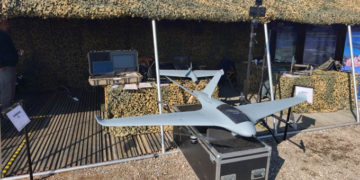
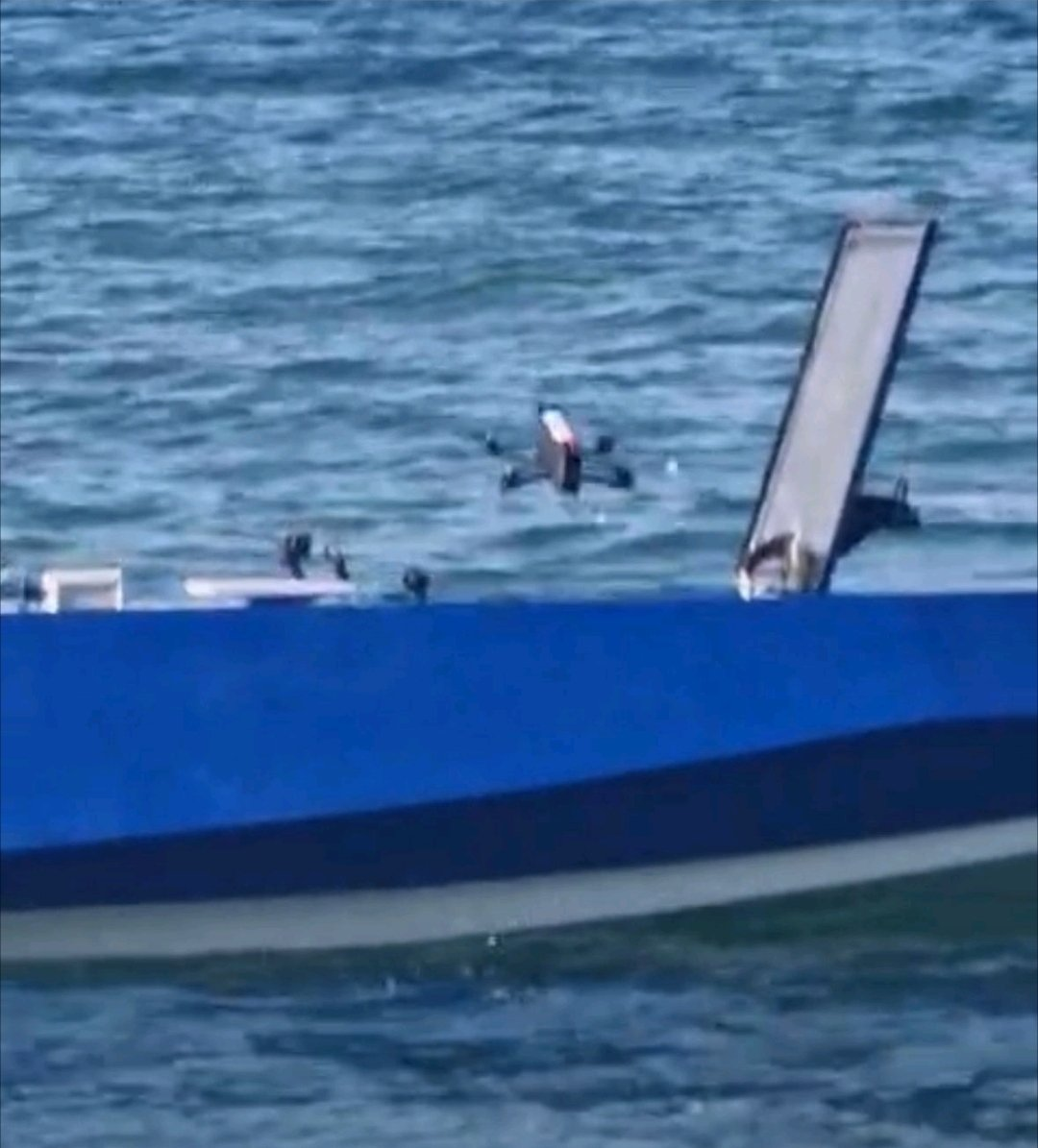
Greece is marking a pivotal shift in its naval warfare doctrine following the successful demonstration of FPV (First-Person View) drone deployment from an Unmanned Surface Vessel (USV) during the UVEX exercise conducted by the Hellenic Navy. In a significant display of domestic defense industry collaboration, a Resilience Tech FPV drone was launched from a Trygon Boats USV, with the operation powered by Alpha Autonomy’s AI-driven autonomous software suite. The vessel’s Starlink antenna — visible in exercise footage — underscored the system’s integration into a real-time, satellite-linked command and control architecture, enabling beyond-line-of-sight coordination in a contested maritime environment.
The UVEX exercise served as a structured operational testbed for asymmetric warfare solutions and network-centric operations, incorporating a triad of unmanned platforms: Unmanned Surface Vessels (USVs), Unmanned Aerial Vehicles (UAVs), and Unmanned Underwater Vehicles (UUVs). The combination of these systems reflects a deliberate strategic orientation toward low-cost, high-impact force multiplication — a doctrine accelerated by operational lessons observed in the Ukrainian theater and now being actively integrated into Hellenic naval planning. The ability to launch precision FPV drones from autonomous surface platforms dramatically expands the Hellenic Navy’s standoff engagement capability, reducing crew exposure while maintaining persistent maritime surveillance and strike potential.
The exercise also highlights the growing strategic role of Greece’s domestic defense technology ecosystem. The trilateral cooperation between Resilience Tech, Trygon Boats, and Alpha Autonomy represents a nationally integrated solution spanning airborne strike systems, unmanned maritime platforms, and autonomous navigation software — a model of defense industrial self-sufficiency with direct NATO interoperability implications. At a moment when the Eastern Mediterranean is experiencing acute security pressures, Greece’s investment in unmanned, networked, and AI-enabled naval systems positions the Hellenic Navy as a credible asymmetric actor, capable of projecting layered maritime power well beyond the reach of conventional surface combatants.